Mold Remediation in Atlanta, GA
Mold is more than just an eyesore - it is a serious health hazard that can cause respiratory problems, allergic reactions, and structural damage to your property. Georgia's warm, humid climate creates the perfect conditions for mold growth, especially after water damage. Safe Home Restoration provides professional mold remediation throughout Metro Atlanta following the ANSI/IICRC S520-2024 Standard, the fourth edition released in 2024 with major updates to source removal protocols, mycotoxin remediation, and post-remediation verification.
The Updated S520-2024 Standard
The ANSI/IICRC S520-2024 is the fourth edition of the Standard for Professional Mold Remediation, superseding the 2015 third edition. The 2024 revision reflects the latest scientific research on mold, mycotoxins, and indoor air quality. Key changes in this edition include:
- Emphasis on source removal - The Standard reinforces that physical removal of mold-contaminated materials is the primary remediation method. Biocides, ozone gas, and other antimicrobial devices are explicitly designated as supplementary only, not primary tools, and must be used judiciously after comprehensive source removal and cleaning
- New mycotoxin guidance - The 2024 edition addresses mycotoxins extensively for the first time. The consensus is that mycotoxins are effectively removed through the same source removal and cleaning processes as mold itself, but chemical processes alone cannot restore the environment to a safe condition
- Enhanced documentation requirements - Written justification is now required when deviating from the standard of care, ensuring accountability and maintaining the integrity of the remediation process
- Refined condition definitions - Condition 1 (normal fungal ecology), Condition 2 (settled spores), and Condition 3 (actual mold growth) are more precisely defined to guide scope development
- Structured post-remediation verification - Post-Remediation Evaluation (PRE) is performed by the remediator as internal quality control, while Post-Remediation Verification (PRV) must be performed by an independent third-party Indoor Environmental Professional (IEP)
Signs You May Have a Mold Problem
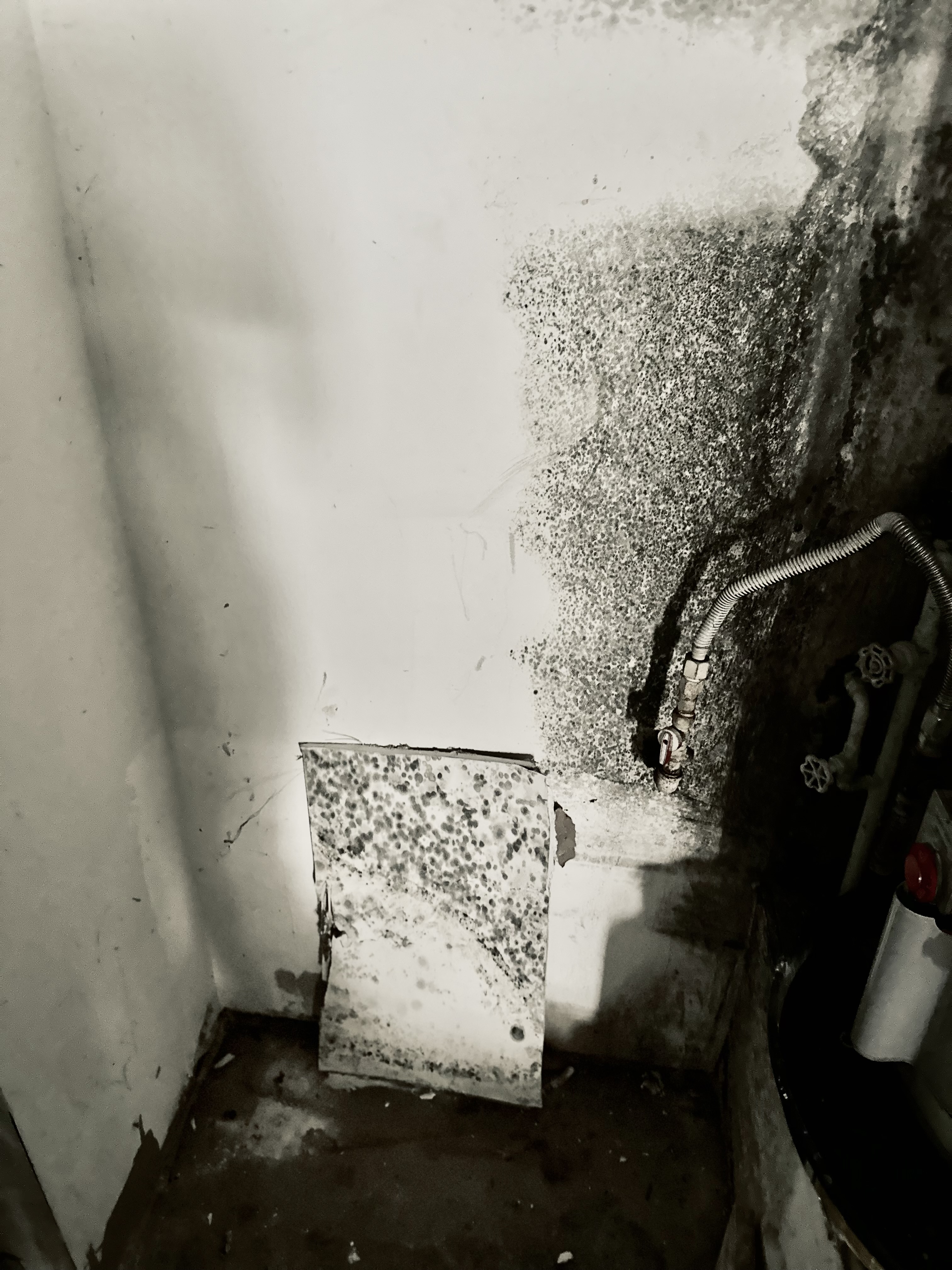
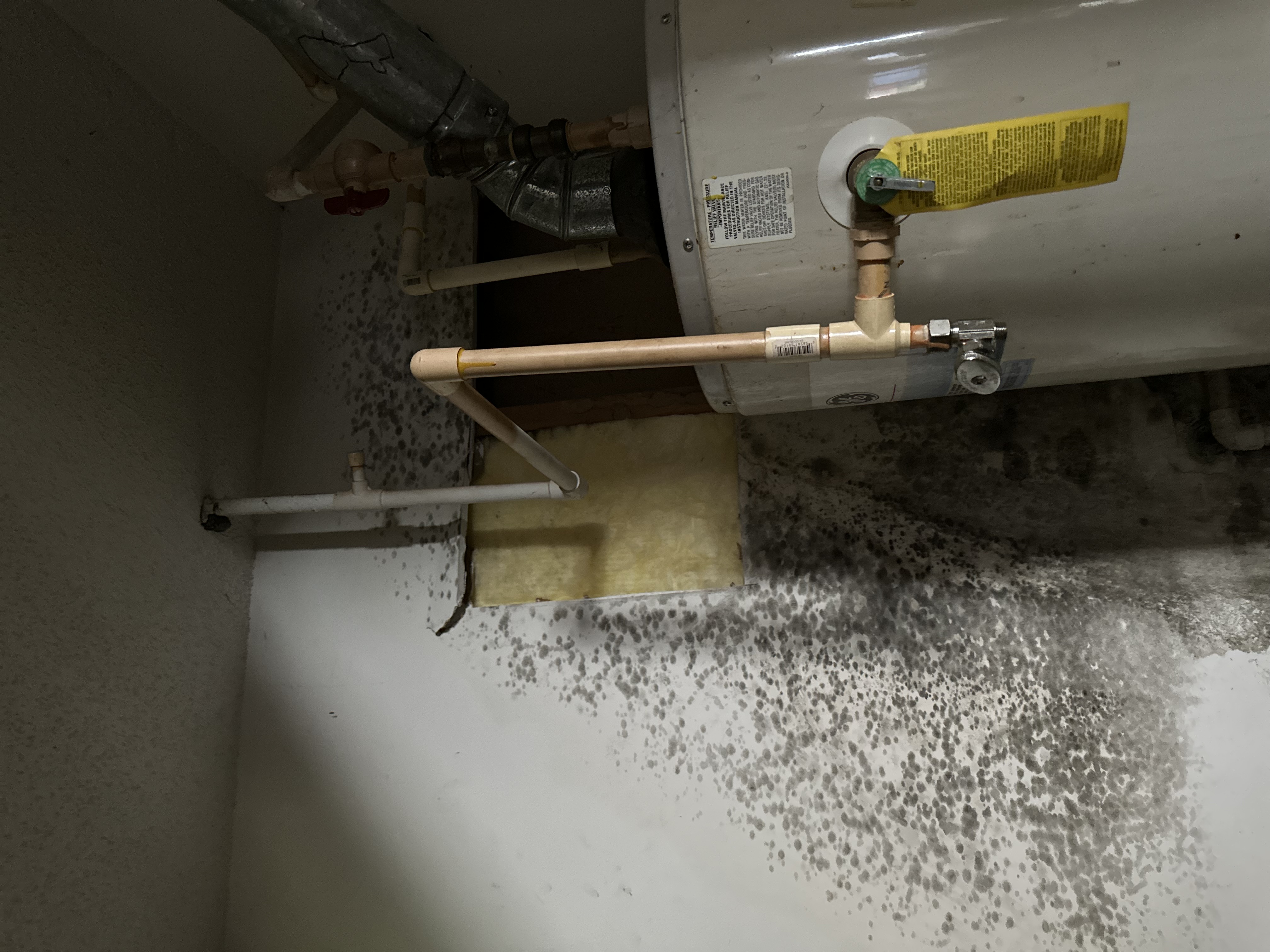
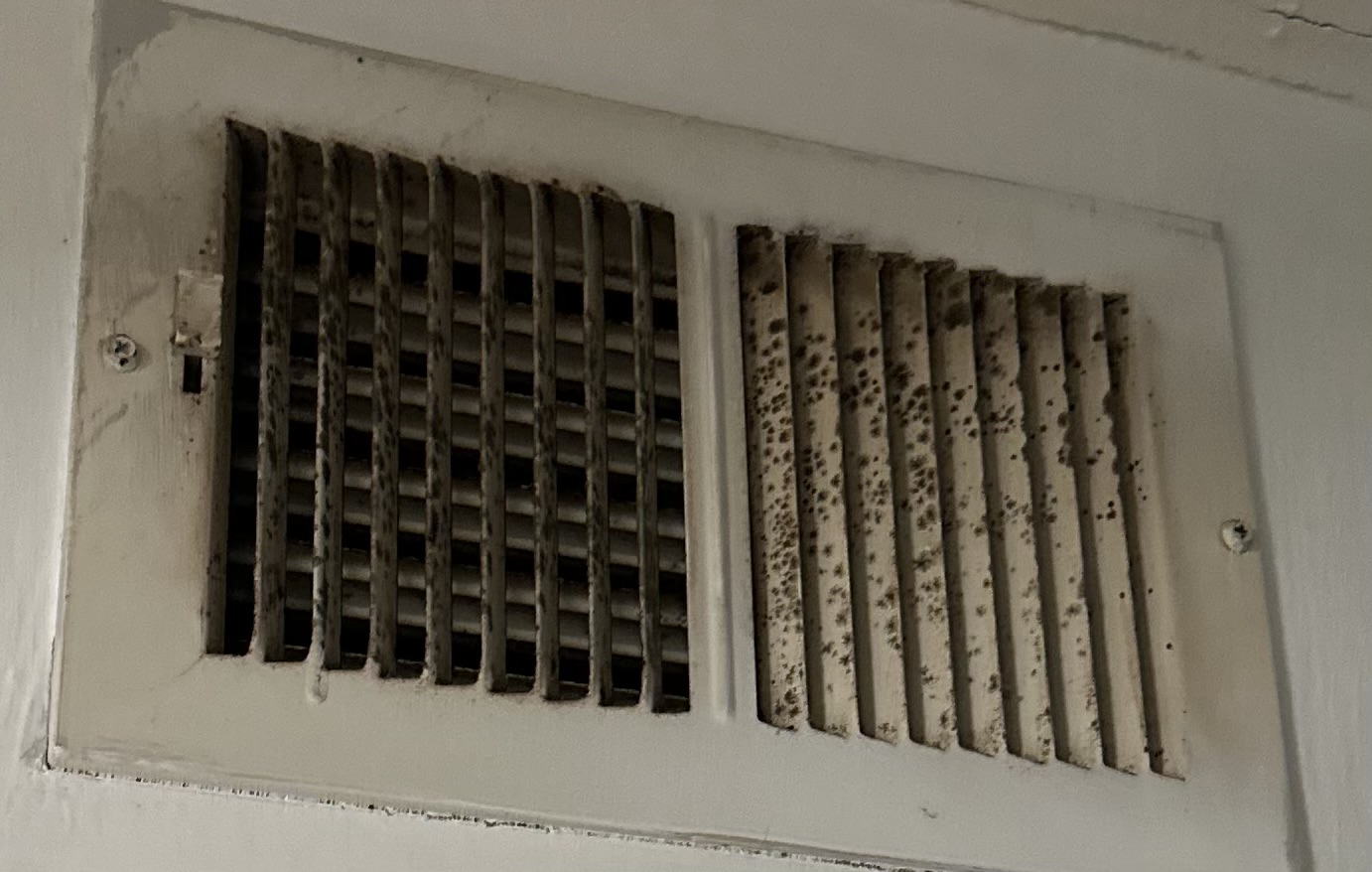
Mold can grow hidden behind walls, under flooring, in attics, and inside HVAC systems. By the time you see visible mold, the problem may be more extensive than you realize. Watch for these warning signs:
- Musty odors - A persistent earthy or musty smell, even if you cannot see visible mold
- Visible mold growth - Black, green, brown, or white spots on walls, ceilings, or floors
- Water stains - Yellow or brown discoloration on ceilings or walls can indicate a moisture problem that supports mold growth
- Health symptoms - Unexplained coughing, sneezing, watery eyes, skin irritation, or headaches that improve when you leave the property
- Recent water damage - Any area that experienced water damage and was not dried within 48 hours is at risk for mold
- Warped or buckling surfaces - Walls, floors, or ceilings that appear warped often have hidden moisture and mold behind them
- Peeling paint or wallpaper - Moisture behind walls causes paint and wallpaper to lose adhesion
Health Risks of Mold Exposure
Mold exposure can cause a range of health problems, especially for children, the elderly, and people with compromised immune systems or existing respiratory conditions. Common health effects include:
- Allergic reactions including sneezing, runny nose, red eyes, and skin rash
- Asthma attacks in people with mold allergies
- Chronic cough, wheezing, and shortness of breath
- Sinus infections and chronic sinusitis
- Headaches and fatigue
- Irritation of the eyes, skin, nose, throat, and lungs
Certain types of mold, such as Stachybotrys chartarum (often called "black mold"), can produce mycotoxins. The S520-2024 Standard now addresses mycotoxins in detail, recognizing that while they can be effectively remediated through the same source removal and cleaning processes as mold, chemical treatments alone are insufficient to restore the environment to safe conditions.
Our S520-2024 Remediation Protocol
We follow the ANSI/IICRC S520-2024 Standard for Professional Mold Remediation. Our protocol reflects the 2024 edition's emphasis on source removal as the primary method, with biocides and antimicrobial devices used only as supplementary measures after comprehensive cleaning:
1. Inspection, Assessment & Condition Classification
We begin with a thorough visual inspection of your property, using moisture meters, hygrometers, and thermal imaging to identify all areas of mold growth - including hidden mold behind walls and in cavities. Following the S520-2024 framework, we classify each area by condition: Condition 1 (normal fungal ecology), Condition 2 (settled spores with visible growth), or Condition 3 (actual mold growth). This classification determines the scope of work. When necessary, we coordinate with an independent Indoor Environmental Professional (IEP) for air quality testing and surface sampling to identify mold species and mycotoxin presence.
2. Containment & Engineering Controls
Before any removal begins, we isolate the affected area using heavy-duty 6-mil polyethylene sheeting and negative air pressure machines equipped with HEPA filtration. The S520-2024 Standard requires that containment be sized and constructed to prevent mold spores from spreading to unaffected areas. We establish pressure differentials and verify them with manometers. All HVAC returns in the work zone are sealed. This step is critical - without proper containment, mold spores can contaminate your entire HVAC system and spread throughout the building.
3. Source Removal
Per the S520-2024 Standard, physical source removal is the primary remediation method. Porous materials like drywall, insulation, and carpet that are heavily contaminated (Condition 3) must be removed and disposed of properly. Semi-porous materials such as wood framing are cleaned using HEPA vacuuming and damp wiping with EPA-registered antimicrobial agents. Non-porous surfaces are cleaned and sanitized. All removed materials are bagged in 6-mil polyethylene bags, sealed, and labeled before being transported out of the containment area through a decontamination chamber.
4. Supplementary Antimicrobial Treatment
Following the S520-2024 guidance, biocides and antimicrobial treatments are applied only after comprehensive source removal and cleaning have been completed. Ozone gas and other antimicrobial devices are used judiciously as supplementary measures, not as primary remediation tools. This approach reflects the current scientific consensus that chemical processes alone cannot restore a contaminated environment to Condition 1 (normal fungal ecology).
5. Moisture Source Correction & Dehumidification
Mold cannot grow without moisture. We identify and address the root cause of the moisture that caused the mold growth - whether it is a plumbing leak, condensation issue, or humidity problem. We then dry the affected area completely using commercial dehumidifiers and air movers, verifying that moisture levels in structural materials are within acceptable ranges before reconstruction begins.
6. Post-Remediation Evaluation (PRE)
After remediation is complete, we conduct a Post-Remediation Evaluation as defined in Section 9.3.12 of the S520-2024 Standard. This internal quality control process includes a visual inspection to confirm all visible mold has been removed, a moisture check to verify the moisture source has been resolved, and documentation of the completed work. We verify that the work zone has been returned to Condition 1 (normal fungal ecology) or Condition 2 (settled spores only).
7. Post-Remediation Verification (PRV)
For larger or more complex projects, the S520-2024 Standard requires Post-Remediation Verification by an independent third-party Indoor Environmental Professional (IEP). The IEP conducts their own inspection, air sampling, and surface testing to independently verify that the remediation meets the Standard and the indoor environment is safe for occupancy. We coordinate this verification and provide all documentation the IEP needs to perform their assessment.
Why You Should Not Remove Mold Yourself
Many homeowners attempt to clean mold with bleach or household cleaners, but this often makes the problem worse. Scrubbing mold releases millions of spores into the air, which can spread the contamination to other areas of your home. The S520-2024 Standard explicitly states that chemical processes alone cannot restore a mold-contaminated environment to safe conditions - physical source removal by trained professionals is required.
Professional remediation is the only way to safely and completely remove mold. Our technicians are trained in proper containment, removal, and disposal protocols, and we have the equipment to filter mold spores from the air during the process. If you suspect mold in your home, do not risk your health - call us for a professional inspection.
Preventing Mold Growth
After remediation, we provide recommendations to help you prevent future mold growth. Key prevention strategies include:
- Keep indoor humidity below 50% - use dehumidifiers in basements, crawl spaces, and other damp areas
- Fix plumbing leaks immediately and dry any wet areas within 24 to 48 hours
- Ensure proper ventilation in bathrooms, kitchens, and laundry rooms
- Use exhaust fans that vent to the outside, not into attics or wall cavities
- Insulate cold surfaces like pipes and exterior walls to prevent condensation
- Clean and dry any water spills or condensation promptly
- Have your HVAC system inspected and serviced regularly to prevent moisture buildup
Concerned About Mold?
Do not risk your family's health. Our S520-2024 certified mold specialists will inspect your property and provide a clear remediation plan.